

San Diego Dental Health Center UCSD
How to look at the paranasal sinuses and their pathologies
Training details
$299
Details and registration continue in the Dentoflow application.
About this training
Content
What you'll learn
Evaluate the normal anatomy of the paranasal sinuses located in the bones surrounding the nasal cavity.
Being able to examine the paranasal sinus anatomic variations with CBCT.
Be aware of the anatomic variations that may affect the drainage pathways.
Recognize the most common pathologies associated with the paranasal sinuses and the nasal cavity.
Goals
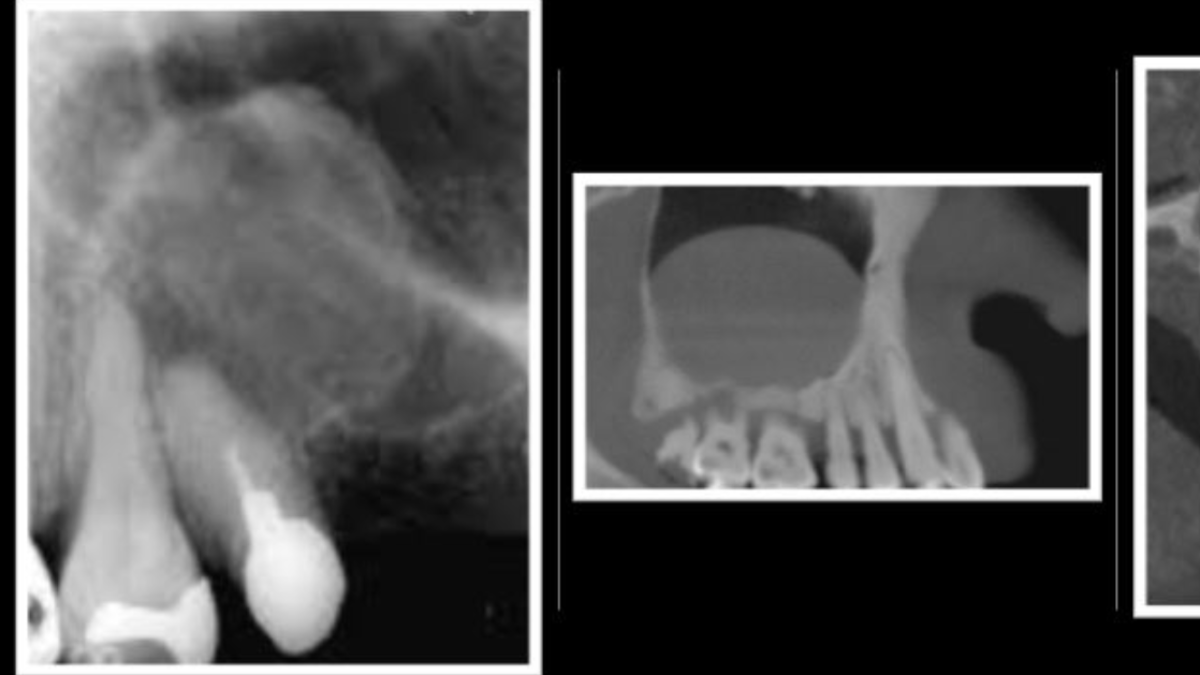
Because the paranasal sinuses are often captured by the 2D or 3D imaging technologies, dental professionals need to be familiar with these structures and their associated pathologies. With the increasing implementation of 3-D imaging, however, specifically cone beam computed tomography (CBCT), the paranasal sinuses need to be included in the radiologic report. The paranasal sinuses are 4 paired airspaces that border the nasal cavity. The functions of the nasal cavity and paranasal sinuses include decreasing the weight of the skull, heating and humidifying inspired air, resonance in speech, regulation of intranasal pressure, and increasing surface area for olfaction. The paranasal sinuses have also been described as crumple zones or areas that absorb the energy from trauma and protect vital structures in the skull. In this webinar, I will cover for you in an easy way the anatomy and the most common pathologies associated with the paranasal sinuses.
Prerequisites
No requirement